Our Solutions
Two programs. One platform. A complete approach to proactive care in long-term facilities.
Remote Patient Monitoring
RPM provides continuous ambient awareness of every resident's physiological state. No wearables. No disruption. No gaps between rounds.
Sensors mounted discreetly in each room capture cardiorespiratory patterns and movement data around the clock. Our AI establishes each resident's personal baseline and watches for deviations that carry clinical weight.
When something matters, your team knows. Not after the fact - while there's still time to act.
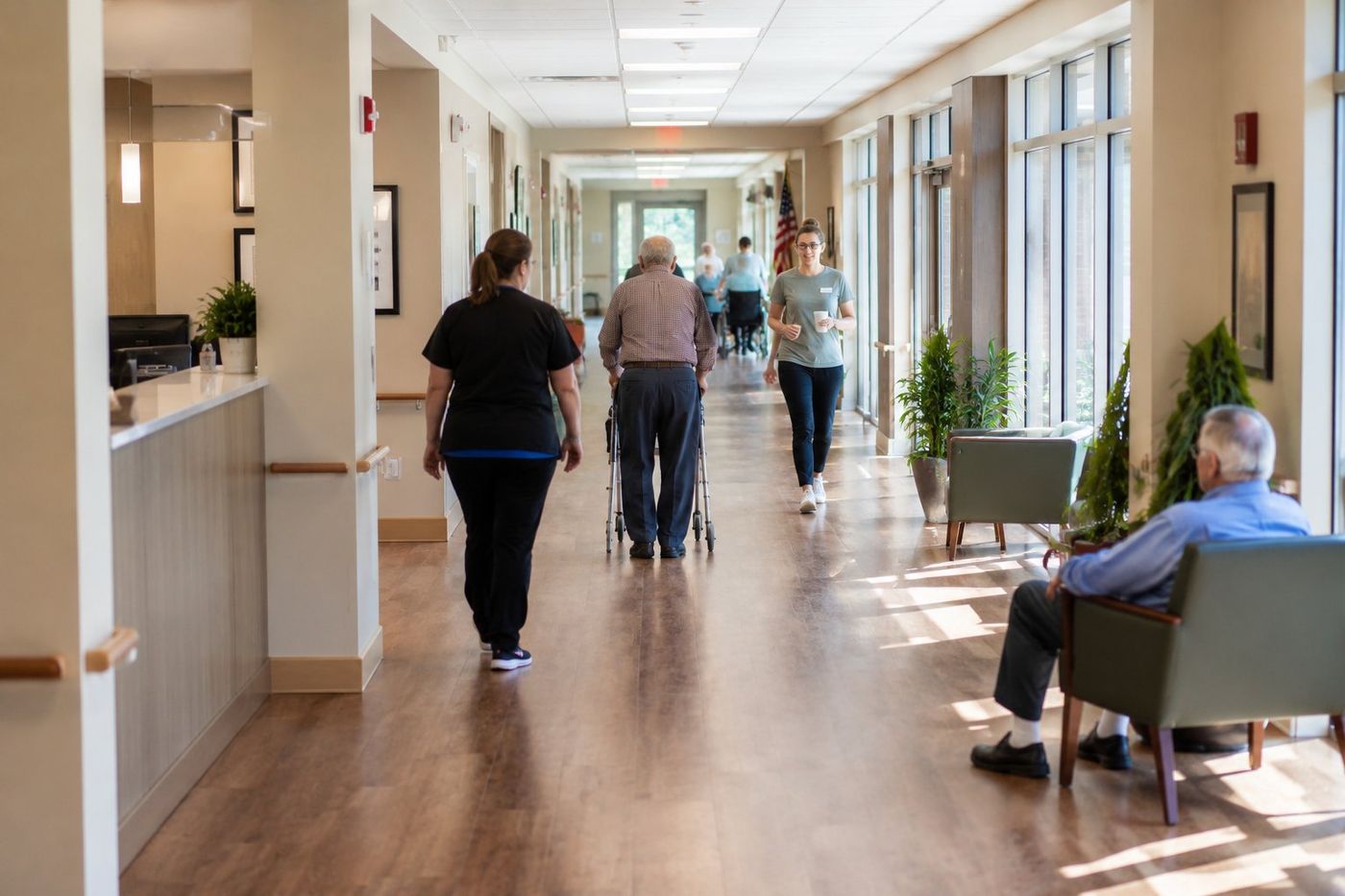
What your facility gets from day one
Continuous Vital Monitoring
Heart rate, respiration rate, and movement are monitored continuously, with no action required from staff or residents.
Personalized Baselines
The AI learns each resident individually. Alerts are tuned to the person, not population averages that generate noise.
Intelligent Alerting
Clinically calibrated thresholds minimize alarm fatigue. Your team is alerted when it matters, not overwhelmed by noise.
Automated Documentation
Every data point logs automatically into your EHR. RPM minutes, thresholds, and alerts are captured in a way designed to reduce manual documentation burden and support CMS billing workflows.
Trend Analysis
7, 14, and 30-day views surface gradual decline patterns that point-in-time assessments miss entirely.
Mobile Alerts
Nurses receive actionable alerts on their phones or tablets, with clinical context and not just a number, so they know how to respond.
Chronic Care Management
Most long-term care residents live with multiple chronic conditions simultaneously. Managing them in isolation - different providers, different schedules, different plans - creates gaps where complications grow.
CCM brings the whole picture together. Structured care plans, monthly clinical touchpoints, medication coordination, and care team collaboration, all orchestrated through a single platform and documented automatically.
The result: fewer acute episodes, tighter medication control, and residents who are more stable, more comfortable, and more engaged in their own care.
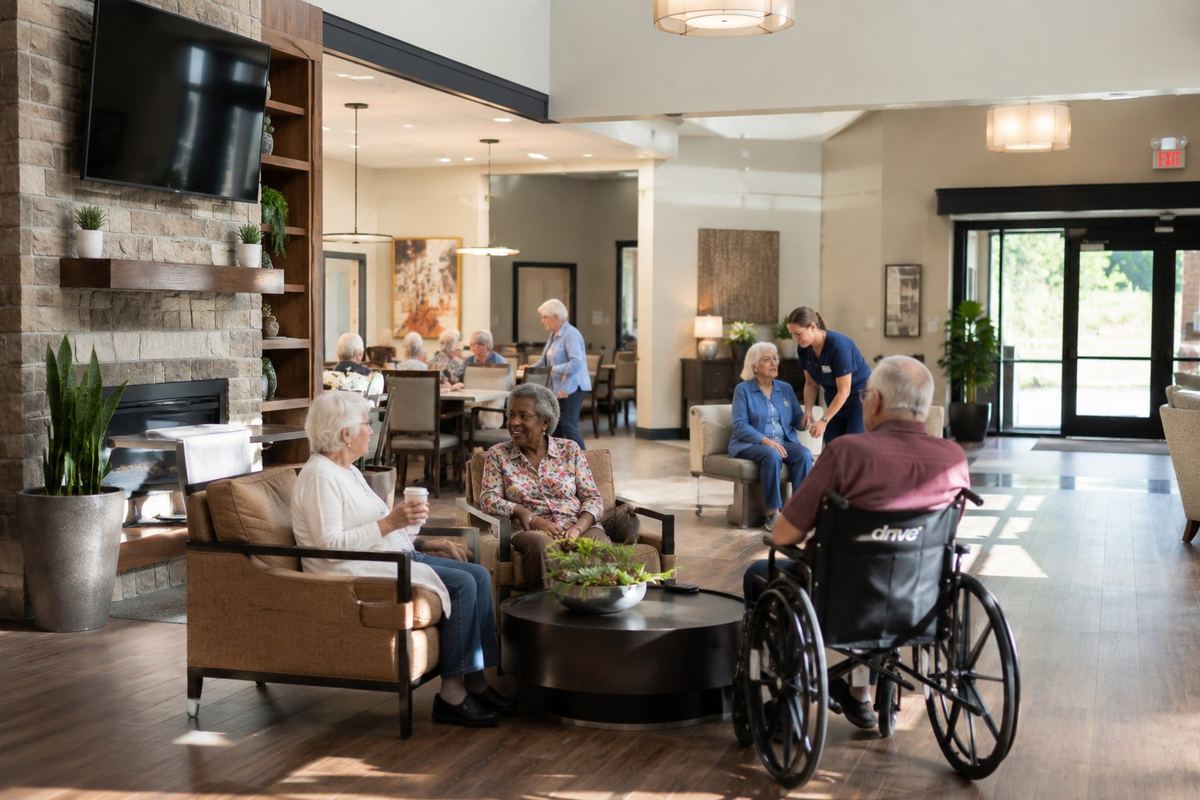
Structured care for complex patients
Individualized Care Plans
Structured plans tailored to each resident's conditions, goals, and care team, updated and versioned automatically.
Monthly Clinical Touchpoints
Scheduled care coordination calls ensure no resident falls through the cracks between physician visits, with every touchpoint documented.
Medication Management
Polypharmacy tracking flags potential interactions and adherence gaps before they compound into adverse events.
Care Team Coordination
Physicians, nurses, social workers, and specialists share a single view of each resident's status and history.
Billing-Ready Documentation
All CCM activity is automatically timestamped and organized for Medicare billing workflows, with no retroactive documentation required.
Condition Progression Tracking
Longitudinal views show how each chronic condition is trending, giving providers the context to adjust care before conditions worsen.
Why continuous monitoring changes outcomes
The most difficult moments in long-term care are often the hours before a crisis, when early signs are present but easy to miss between scheduled rounds.
Before a Hospitalization
Published clinical research suggests measurable physiological changes often appear up to 72 hours before a resident requires emergency transfer. Continuous monitoring captures this window. Episodic check-ins miss it entirely.
Cause of Preventable Transfers
Respiratory deterioration, detectable through respiration rate trends, is consistently cited among the leading causes of avoidable hospital transfers from SNFs. It is also the signal most reliably captured by ambient monitoring technology.
Chronic Conditions Per Resident
The average SNF resident manages five or more chronic conditions simultaneously. Each one interacts with the others. CCM provides the structured coordination that prevents these interactions from compounding into acute events.
Medicare reimburses what improves outcomes
RPM and CCM are not just clinical programs, they are reimbursable services under Medicare. CPT codes 99453, 99454, 99457, and 99458 cover remote monitoring setup, device supply, and clinical review time. CCM codes cover monthly care coordination across chronic conditions.
For a 60-bed facility with 40 qualifying residents, properly documented RPM and CCM programs represent meaningful recurring revenue, generated by care your team is already providing, now simply captured and documented correctly.
TRC builds the documentation infrastructure that makes this billing defensible, consistent, and audit-ready from day one.
See How Implementation Works →
The complete picture of resident health
RPM catches the acute: the overnight dip, the subtle vital shift, the early sign of deterioration. CCM manages the chronic: the diabetes, the CHF, the COPD that require constant, structured attention. Together, they form a care infrastructure that leaves nothing unmonitored.
See both programs in action
Our clinical specialists will walk you through a live demonstration tailored to your facility type and census.
Schedule a Facility Demo